



"Yojongandhā – a Turbulent Voyage" is the story of one of the most powerful characters of The Mahabharat yet the least appreciated.
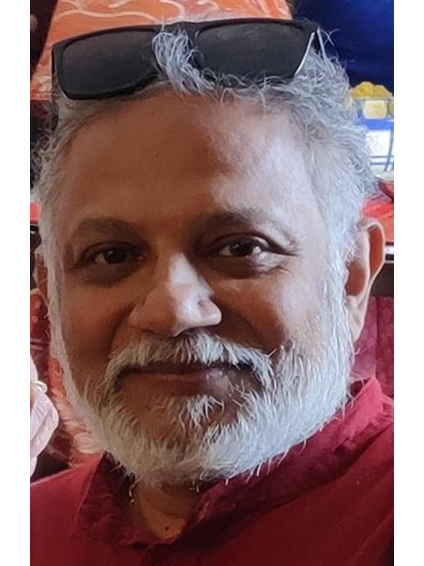
Sanjoy Ghosh Dastidar
Director
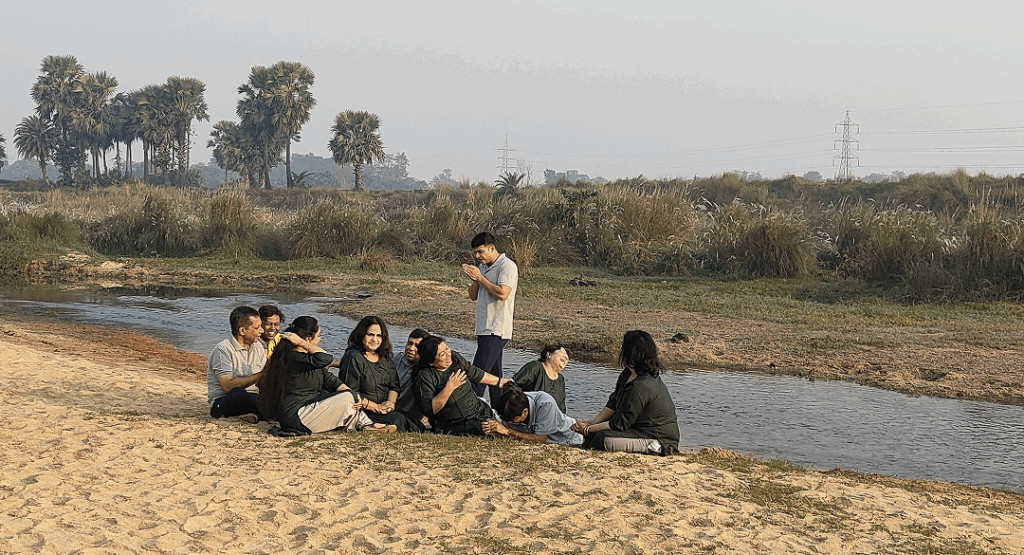
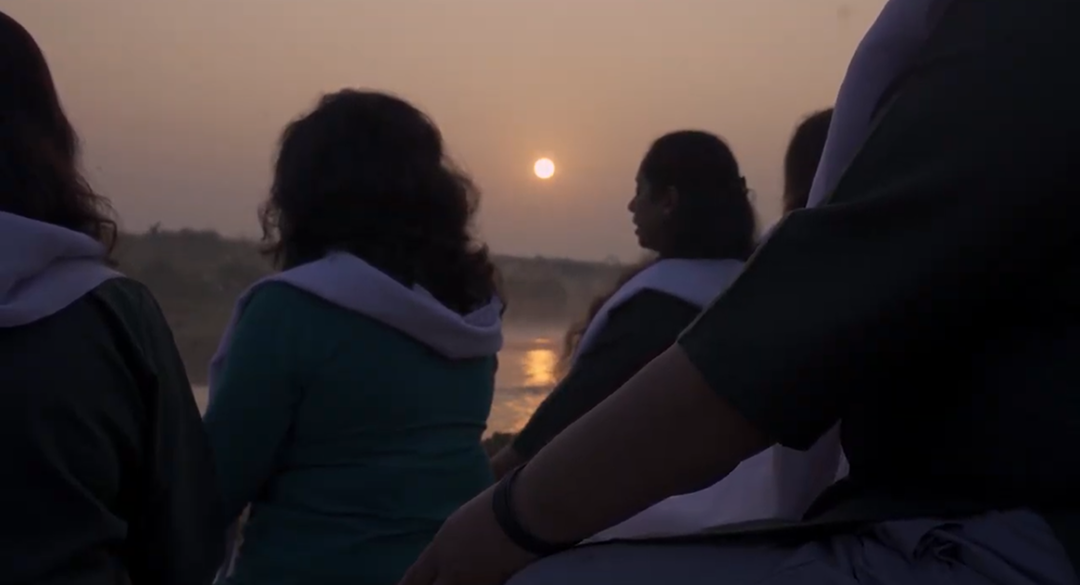
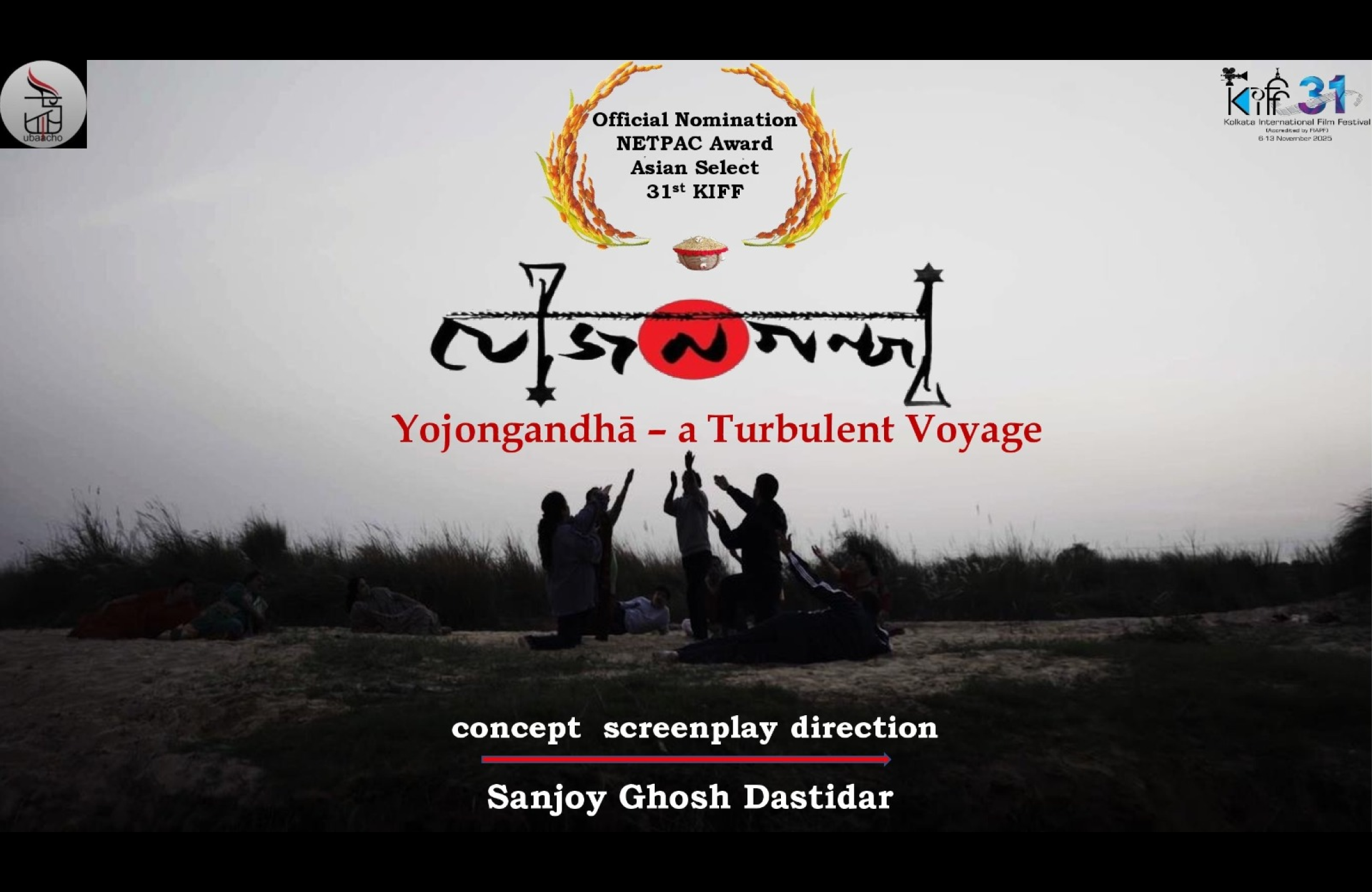
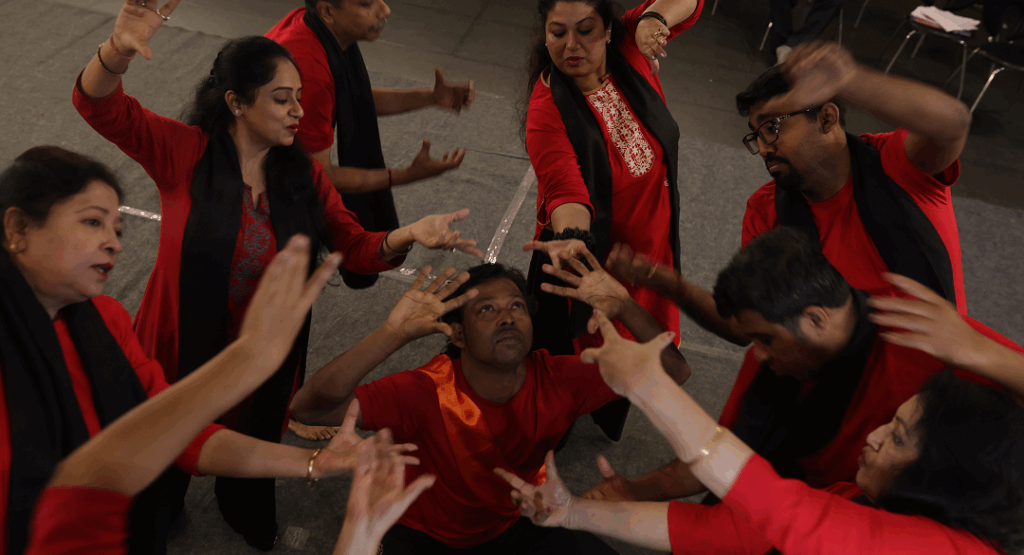

It’s too moving. A movie that force you to rethink. A very good portray of Satyabati and a message towards society. Everyone’s acting was top notch on point.
Re: Presentation, The overall presentation was very satisfying. And it is a treat to watch on big screen.
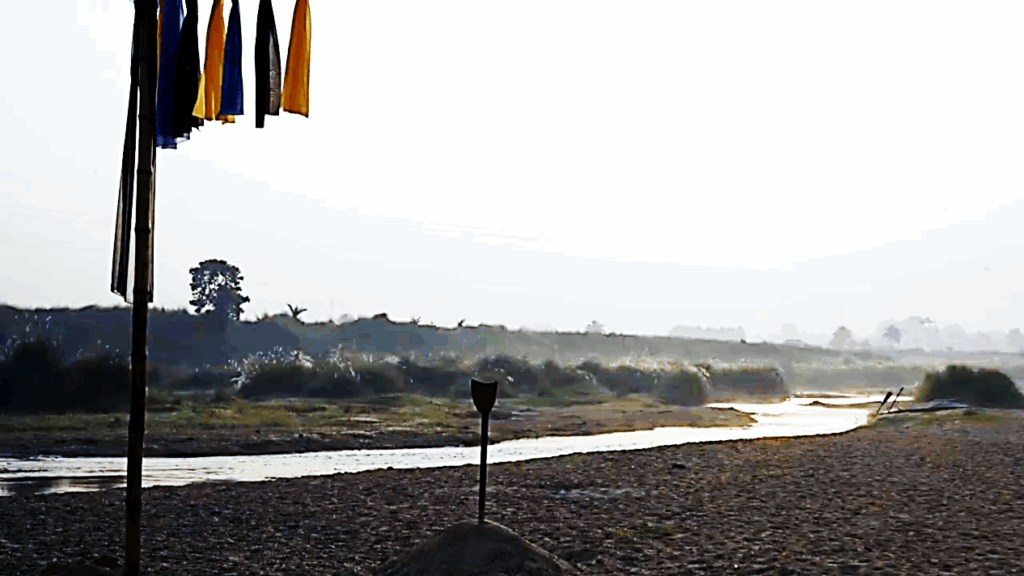
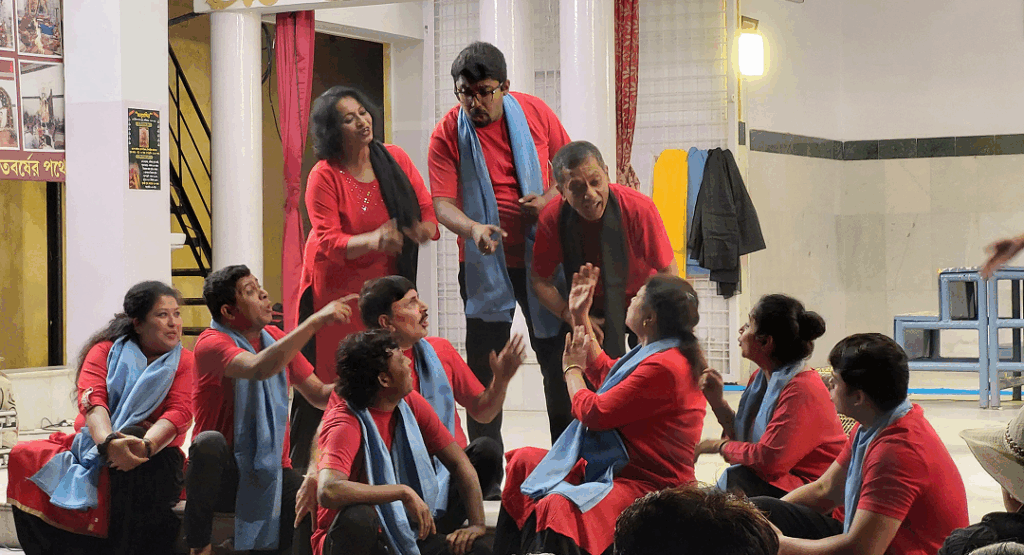
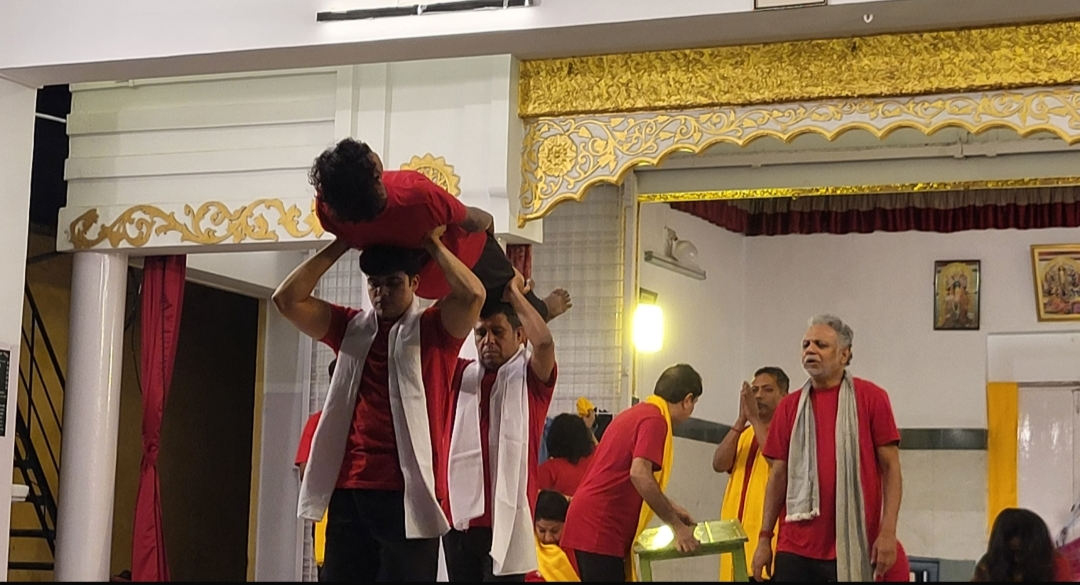
For me, the meta cinematic approach was unique and the blend of theatre and the outdoor segment. The blending was too good.
Dinesh Mondal
Yojongandha is very relevant even in this modern society. The dependence on the masculinity or rather the patriarchy, being presented through Satyavati's change of thoughts after becoming the wife of a king and the queen of an Empire is pretty clear through the change of thoughts and concerns of the lady. When she is young, she believes in taking care of her own wishes, but later on we see that she says that Kunti 's choice of her own groom (Pandu) is not respectful for the dynasty because it is not the custom. After becoming the queen, she becomes powerful and responsible but it also binds her free thoughts and progressive mind that is relevant even in today's world where women tend to change after marriage, even the so called modern ones. Vyas's illegitimacy could be compared to today's illegitimate children, being said that the respect Vyas received even after being an illegitimate child, should be given by society to the similar children of these days. But on that context, it should be remembered that Vyas's father Rishi Parashar never denied him and he was the illegitimate child of a Brahmin as strong, as knowledgeable as Parashar.
So, it could be said that the class system ,that was very reputed in that society, was one of the prime reasons of Vyas's respect being received.Yojongandha has projected all these points really well through its presentation and dialogues. Having said that, its main concern may have been Satyavati but it has given equal importance to all the other characters who were a part of Yojongandha's life.
Moushumi Bose
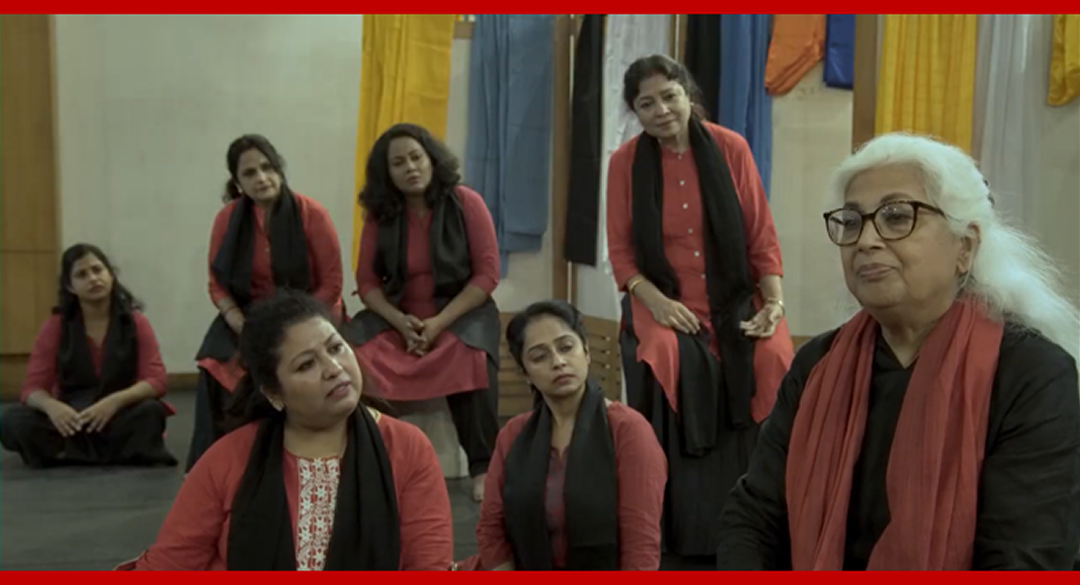
The film deeply impacted me through its immersive storytelling and powerful focus on women’s empowerment. The protagonist confronts numerous challenges independently, embodying strength, courage, and resilience, which lends the narrative lasting emotional weight. The exceptional acting made the mythological characters feel real and relatable, drawing the audience fully into the story. A particularly striking aspect was the seamless overlap between the main character and the actress portraying her, whose personal struggles subtly mirrored those of the character, creating an authentic and layered portrayal.
The film’s creative blending of mythology and modern life stands out, especially in moments like the portrayal of Vyasa as a contemporary passerby in Hawaiian chappals, reflecting the director’s innovative vision. The final scene, where the actress refuses to return to an abusive relationship, powerfully connects ancient and modern struggles faced by women. The use of Sanskrit dialogue demanded active engagement, adding to the film’s intellectual depth.
Visually and orally, the film balanced theatrical intensity with the serenity of riverside scenes through precise framing, sound design, and minimalist aesthetics. Meta-theatrical moments further blurred the line between performance and reality. Overall, Yojongandhā, directed by Sanjoy Ghosh Dastidar, is a thought-provoking and emotionally resonant film that powerfully highlights women’s resilience and timeless strength.
Sagnik Mukherjee